 +971-04-397-0701
 ask@albastiadvocates.com
how to recover debt in UAE
To recover a debt in the UAE, you usually start with a formal demand, try to settle, and then take legal action if the debtor still will not pay. The first step is sending a legal notice that gives the debtor a clear deadline to pay.
If that fails, your next move depends on your proof. For a debt backed by a written document or a cheque, you can seek a fast payment order, while a disputed debt needs a civil claim. Once you win, the execution court enforces the judgment and can freeze accounts, seize assets, or impose a travel ban. Keeping strong evidence, such as contracts and invoices, is vital at every stage. Be aware that recovery is never guaranteed if the debtor has no money or assets.
Salha Al Basti Advocates, a Dubai firm with over 35 years of experience, guides clients on how to recover debt in the UAE.
 A formal demand, backed by strong evidence like contracts and invoices, is usually the first step toward recovering a debt.
How do you recover a debt in the UAE?
Recovering a debt in the UAE follows three broad stages, and knowing them helps you choose the right path. The first stage is amicable, where you demand payment and try to agree a solution. The second is legal action, where you ask a court for a payment order or file a claim.
The third is enforcement, where the court forces payment from the debtor. The best route depends on your evidence and the type of debtor, and a debt recovery lawyer can advise you. Business debts often have strong paperwork, such as signed contracts, which makes commercial debt faster to recover. For example, a clear invoice and contract can lead to a quick payment order. You can recover a debt through amicable steps, legal action, and finally enforcement by the court.
Step 1: Start with a formal demand and negotiation
The first real step is to ask for payment formally. Your lawyer sends a legal notice, a letter that demands payment by a clear deadline and warns of legal action. This step is often required before court, and it shows you acted in good faith.
Many debts are settled at this stage, sometimes through a payment plan that suits both sides. This is common for an unpaid real estate rent or a simple invoice. It is also vital to gather and keep your evidence, such as contracts, invoices, cheques, and messages, which is the basis of any civil claim. Settling early saves time, money, and stress. For example, a firm legal notice often makes a late payer settle quickly. Start with a formal demand and try to settle, keeping strong evidence in case the matter goes further.
Step 2: Use a payment order or file a civil claim
If the debtor still refuses to pay, you move to legal action. Your options here depend on your proof. For a debt backed by a clear written document, such as a signed acknowledgment, an invoice with a contract, or a dishonoured cheque, you can seek a payment order.
This is a faster route than a full case and is often handled through litigation steps. For a disputed or unwritten debt, you file a civil claim instead. A bounced cheque is now mainly a civil matter, so it can often go straight to enforcement, though a bad-faith cheque can still lead to criminal action. Strong documents make this stage much smoother. For example, a signed invoice can support a quick payment order. Use a fast payment order for a documented debt, or a civil claim for a disputed one.
Step 3: Enforce the judgment through the execution court
Winning a case is only half the job, because you still need to collect. Once you have a judgment or payment order, you take it to the execution court. This court has real power to make a debtor pay. It can freeze the debtor's bank accounts, seize and sell their assets, or garnish their salary.
It can also place a travel ban until the debt is cleared. Against a company that owes you, enforcement can reach its corporate assets and accounts. These tools often push an unwilling but able debtor to settle fast. For example, a travel ban can prompt a debtor to pay within days. The execution court enforces your judgment by freezing accounts, seizing assets, or imposing a travel ban.
 The execution court's powers—freezing accounts, seizing assets, or a travel ban—often push a reluctant debtor to settle.
What if the debtor cannot pay?
It is important to be realistic about debt recovery. Even with a clear judgment, you can only collect if the debtor actually has money or assets. If a debtor genuinely has nothing, enforcement may not recover your money, no matter how strong your case is.
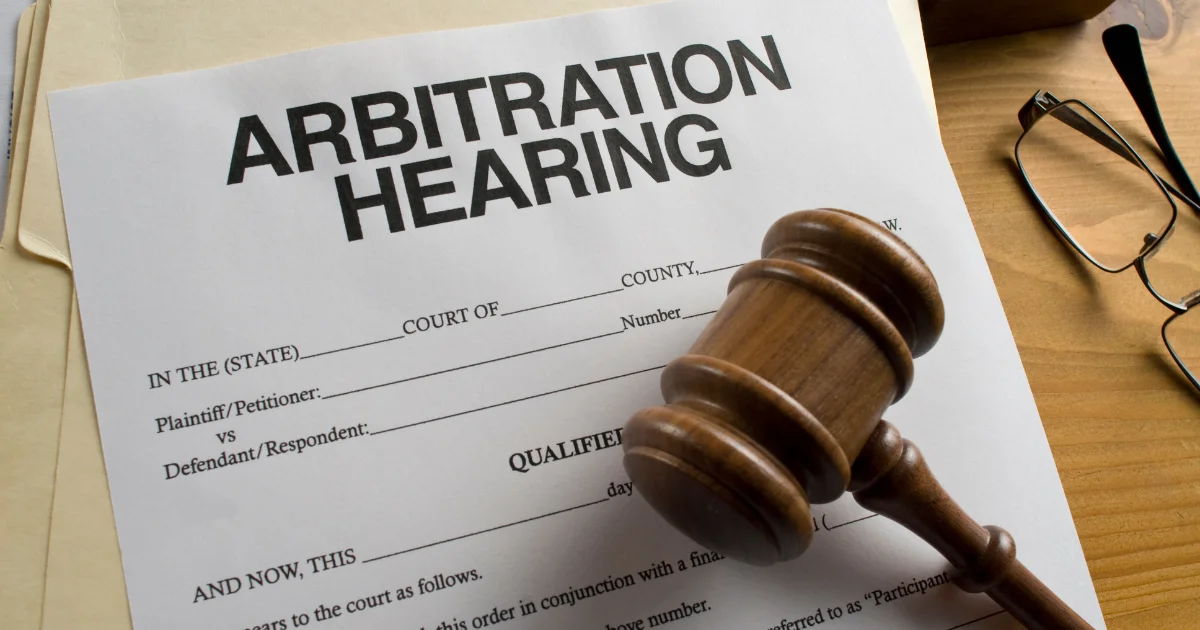
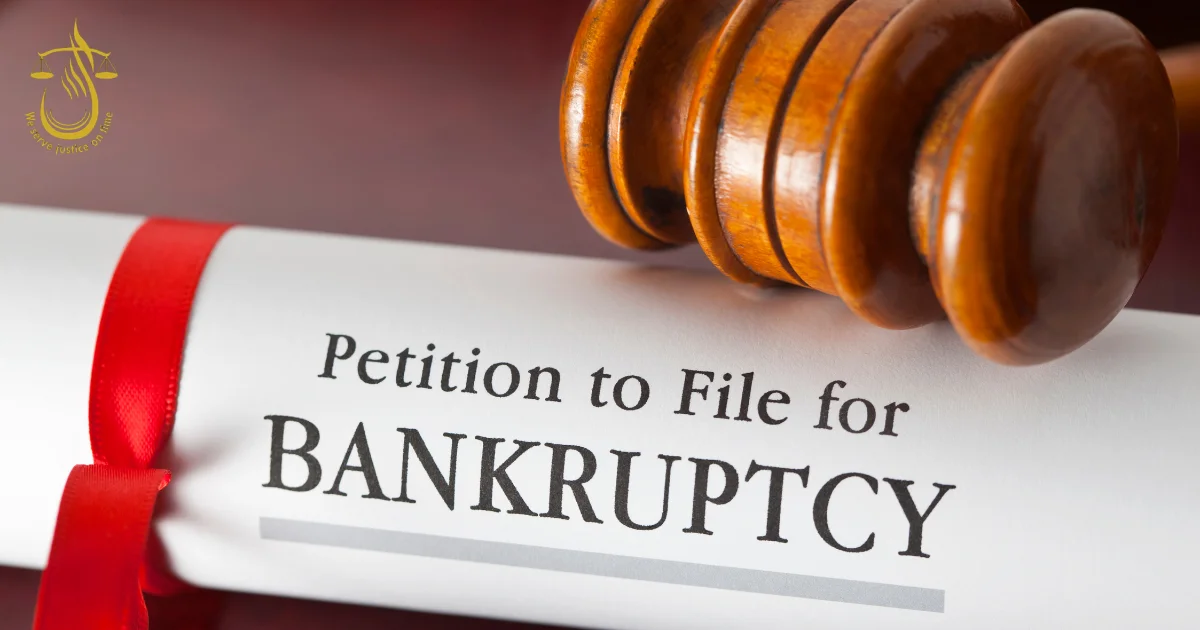
Where the debtor is a company that is truly insolvent, the matter may move toward bankruptcy proceedings, where creditors share what is left. If the debt sits under a contract with an arbitration clause, recovery may run through arbitration instead of the courts. No honest lawyer can guarantee recovery from a debtor with no assets. For example, checking a debtor's situation early helps set realistic expectations. Recovery depends on the debtor having assets, and it is never guaranteed when there are none.
Why a debt recovery lawyer gets results
Recovering a debt takes the right strategy, persistence, and local knowledge. Salha Al Basti Advocates brings over 35 years of combined experience to debt recovery across Dubai and the UAE. Our team of more than 30 legal professionals works in both English and Arabic, which helps when chasing debts across the region.
We send strong demands, choose the fastest legal route, and enforce judgments through the execution court. We respond to new enquiries within two hours during business hours, because cash flow cannot wait. We cannot guarantee recovery when a debtor has no assets, but we use every lawful tool to get you paid as fast as possible.
You can learn more on our about us page, or use our contact us page to book a free consultation. Determined, bilingual support helps you recover what you are owed.
Owed money and want to know how to recover debt in the UAE? Salha Al Basti Advocates pursue your money with 35+ years of experience, bilingual support, and a response within two hours.
Book Your Free ConsultationFrequently Asked Questions

Salha Albasti Advocates Editorial Team
Our in-house team of licensed UAE advocates, senior legal consultants, and compliance specialists has been representing clients across the UAE since the firm’s founding. We write from real courtroom experience and active case work—covering litigation, arbitration, corporate law, real estate law, family law, and labor law—and every article is reviewed by practicing attorneys against current UAE federal law and court precedents before it goes live.