 +971-04-397-0701
 ask@albastiadvocates.com
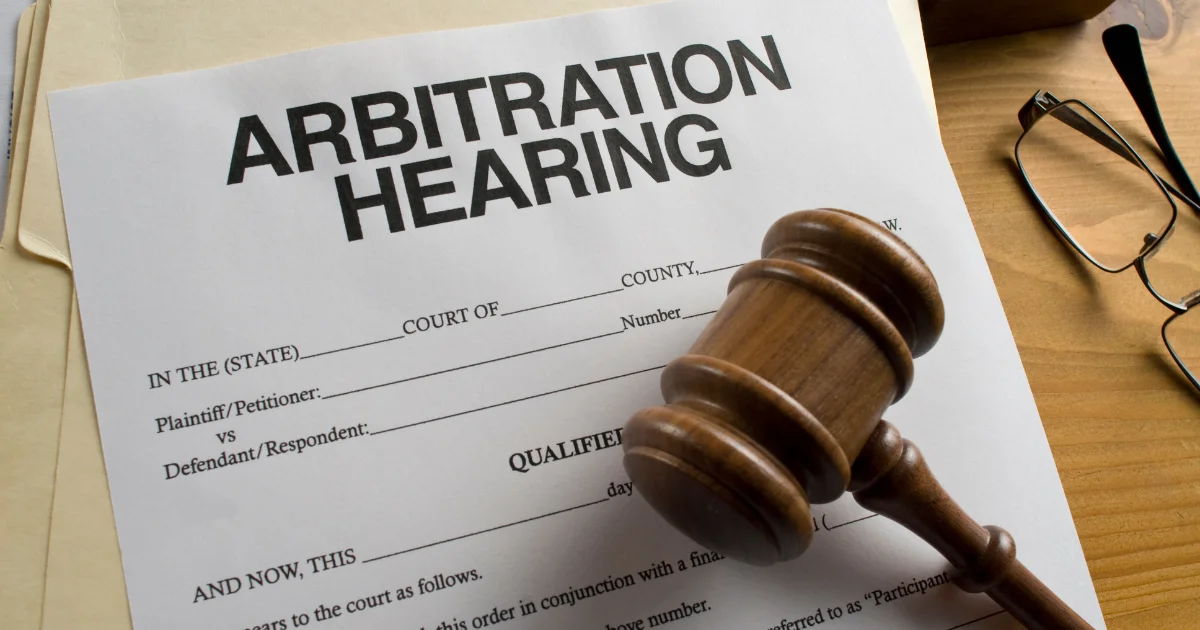
How Does Arbitration Work in the UAE?
Arbitration in the UAE works as a private way to settle a dispute, where the parties agree to let one or more arbitrators decide the case instead of a court. It starts with an arbitration agreement, usually a clause in a contract that says any dispute will go to arbitration.
When a dispute arises, one side sends a request for arbitration, and a tribunal of one or three arbitrators is formed. Each side then shares its evidence and arguments, and the arbitrators hold hearings. At the end, the tribunal issues a binding decision called an award. This award can be enforced in the UAE and in over 170 countries worldwide. Arbitration is often private, faster, and uses experts, which suits complex business disputes.
Salha Al Basti Advocates, a Dubai firm with over 35 years of experience, explains how arbitration works in the UAE.
 A clear arbitration clause, agreed in advance, sets out exactly how a future dispute will be resolved.
What is arbitration, and how is it different from court?
Arbitration is a private way to resolve a dispute without going to a public court. Instead of a judge, the parties agree to let one or more arbitrators decide the case. The arbitrators' final decision, called an award, is binding on both sides. This is the main alternative to court litigation for many business disputes.
Arbitration has real benefits: it is usually private and confidential, can be faster, and lets you choose arbitrators with the right expertise. However, it cannot be used for every case, as criminal and family matters must go to court. To use arbitration, the parties must have agreed to it, which a good arbitration lawyer can set up. For example, two companies can keep a sensitive dispute out of the public eye by choosing arbitration. Arbitration is a private, binding alternative to court, though it cannot be used for criminal or family cases.
How does an arbitration agreement start the process?
Arbitration can only happen if both sides agreed to it. This agreement usually comes from an arbitration clause written into a contract, which says that any future dispute will be settled by arbitration. Sometimes, the parties sign a separate arbitration agreement after a dispute begins.
These clauses are very common in commercial contracts and in construction deals, where technical disputes are frequent. When a dispute arises, one side starts the process by sending a request, or notice, for arbitration to the other. A clear clause naming the rules and place avoids arguments about how the arbitration runs. For example, a well-drafted clause can save weeks of delay when a dispute starts. Arbitration starts with an agreement, usually a contract clause, and begins when one side sends a request for arbitration.
How are arbitrators chosen and the tribunal formed?
Once arbitration begins, the next step is to form the tribunal, which is the panel that will decide the case. A tribunal usually has either one or three arbitrators, depending on the contract and the size of the dispute. In a three-member tribunal, each side often nominates one arbitrator, and those two help choose the third.
A key benefit is that you can pick arbitrators with the right expertise for your dispute. This is very useful in technical or corporate cases that need special knowledge. The arbitrators must be fair and independent of both sides. For example, a construction dispute may use an arbitrator who is also an engineer. The parties form a tribunal of one or three arbitrators, and they can choose experts suited to the dispute.
 A binding arbitration award, once issued, can be enforced in the UAE and in over 170 countries worldwide.
How does the arbitration process work in the UAE?
Arbitration runs much like a private trial, but with more flexibility. First, each side exchanges written submissions that set out its case, along with evidence such as contracts, records, and expert reports. The tribunal then holds hearings, where each side presents its arguments and answers questions.
In the UAE, the Federal Arbitration Law of 2018 sets the main rules for onshore arbitration. Many cases are run through a centre, such as the Dubai International Arbitration Centre (DIAC), which provides rules and support. The parties can usually agree the seat, the language, and the procedure, which adds flexibility for a real estate or other civil dispute. For example, parties can choose English or Arabic for the hearings. The process runs through written submissions, evidence, and hearings, guided by the law and the chosen rules.
How is the award made and enforced?
At the end of the case, the tribunal makes its decision, called an award. The award is final and binding, with only limited grounds to challenge or cancel it. This finality is one of the biggest reasons businesses choose arbitration.
The award can then be enforced so the winning side actually gets paid. Thanks to the New York Convention, an arbitration award can be enforced in over 170 countries, which is ideal for cross-border deals. In the UAE, you enforce an award through the courts and the execution court. If the losing side will not pay, you collect it much like a debt, and if they are insolvent, the matter may involve bankruptcy. For example, a UAE award can often be enforced against assets held abroad. The award is final and binding, and it can be enforced in the UAE and in over 170 countries.
Why use a lawyer for arbitration in the UAE?
Arbitration has strict rules and deadlines, so skilled representation makes a real difference. Salha Al Basti Advocates brings over 35 years of combined experience to arbitration across Dubai and the UAE. Our team of more than 30 legal professionals works in both English and Arabic, which is essential in international cases with parties from many countries.
We draft clauses, choose the right strategy, run cases through leading centres, and appear in DIFC arbitration. We respond to new enquiries within two hours during business hours, because deadlines in arbitration are strict. We cannot promise a specific outcome, but we prepare every case to give you the strongest position the facts allow.
You can learn more on our about us page, or use our contact us page to book a free consultation. Skilled, bilingual advocacy gives your arbitration its best chance.
Have an arbitration clause or a dispute and want to know how arbitration works in the UAE? Salha Al Basti Advocates guide you with 35+ years of experience, bilingual service, and a response within two hours.
Book Your Free ConsultationFrequently Asked Questions

Salha Albasti Advocates Editorial Team
Our in-house team of licensed UAE advocates, senior legal consultants, and compliance specialists has been representing clients across the UAE since the firm’s founding. We write from real courtroom experience and active case work—covering litigation, arbitration, corporate law, real estate law, family law, and labor law—and every article is reviewed by practicing attorneys against current UAE federal law and court precedents before it goes live.